PPS Stock Shapes Engineered for Chemical Resistance and Dimensional Stability
High-performance PPS stock shapes designed for elevated temperature service, chemical resistance, and precision machined industrial components.
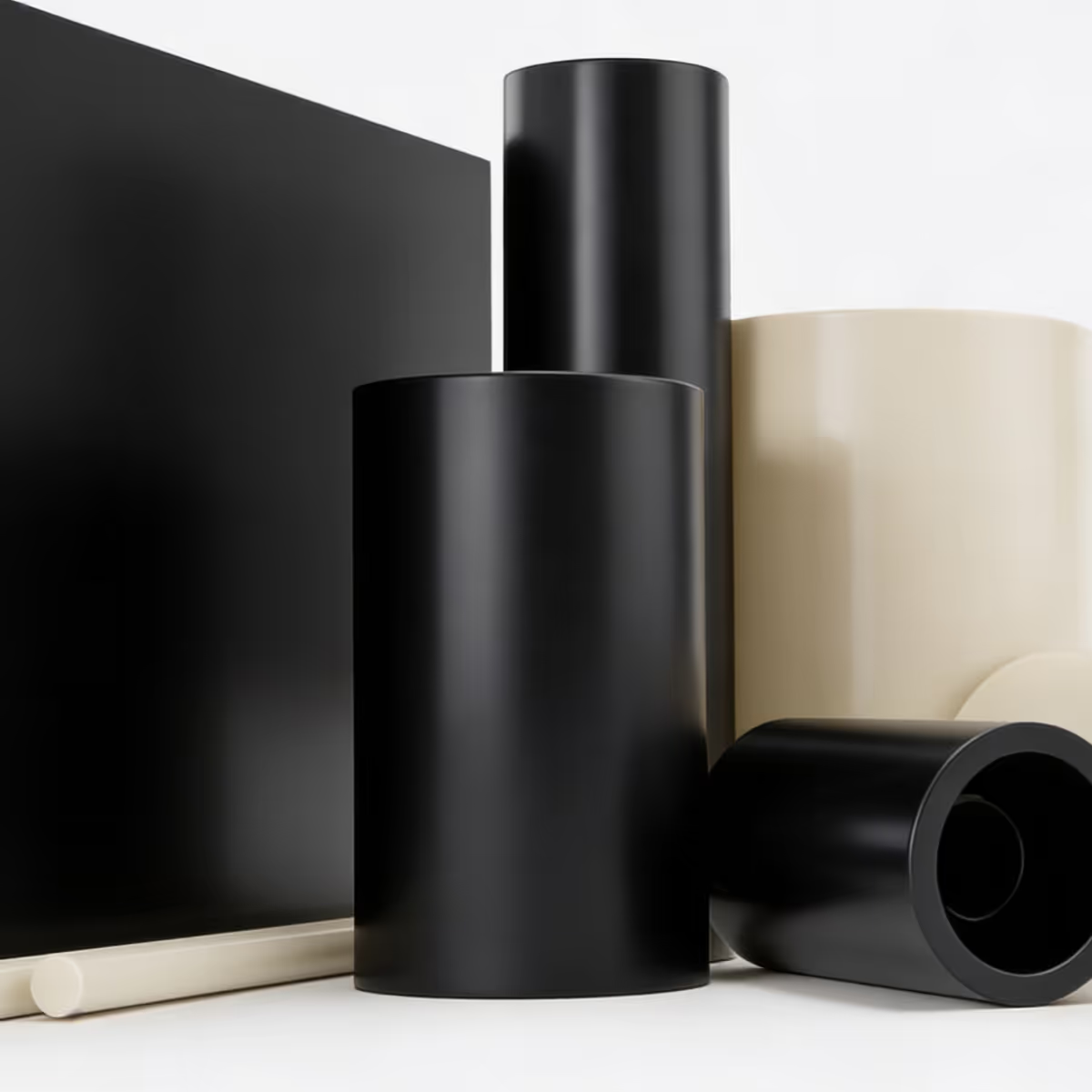
Why engineers choose PPS
High-performance characteristics that make PPS suitable for demanding machined components where stability and chemical resistance are critical.

High-Temperature Performance
PPS offers excellent thermal stability and maintains stiffness, dimensional stability, and mechanical performance in elevated-temperature operating environments.

Excellent Chemical Resistance
PPS provides outstanding resistance to a wide range of chemicals, including acids, solvents, fuels, oils, and industrial process fluids commonly encountered in aggressive industrial environments.

Improved Impact Resistance
Impact-modified PPS grades are engineered to provide improved toughness and reduced brittleness compared to standard PPS, helping improve durability in mechanically demanding applications.

High Strength and Dimensional Stability
Glass fiber and carbon fiber reinforced PPS grades provide high stiffness, low creep, and excellent dimensional stability with minimal moisture absorption, making them well suited for precision machined components.

Wear and Friction Performance
Bearing-grade PPS formulations with PTFE, carbon fiber, and graphite fillers (10/10/10) provide reduced friction, improved wear resistance, and reliable performance in sliding and bearing applications.

Why Choose PPS from Quantum AEP
See how Quantum’s manufacturing approach supports stable machining and reliable performance.
Prime raw materials only
We extrude PPS using virgin, prime-grade resin to ensure predictable mechanical, thermal, and chemical behaviour across every batch.
Controlled processing for dimensional stability
Carefully managed extrusion and cooling processes help PPS rods and plates maintain shape, reducing the risk of distortion during machining.
Process discipline to reduce internal defects
Tight control over processing parameters helps minimize voids and inconsistencies in rods and plates, especially in larger diameters and thicker sections.
Full traceability and process records
Each batch is logged with extrusion parameters and inspection checks, giving engineering teams visibility into material history when needed.
No machining of finished parts
We supply only stock shapes. This avoids conflicts of interest with machine shops and ensures our focus stays entirely on producing consistent materials.
Reliable batch-to-batch performance
Controlled workflows and stable manufacturing parameters help maintain consistent performance, reducing surprises during machining and testing.
Common PPS machined components
Examples of parts typically manufactured from our PPS stock shapes.

Precision components for electronics manufacturing
Used in fixtures, supports, and machined parts where stability and repeatability are important.

Wear and guide components
Used for guides, supports, and wear parts where stiffness and environmental resistance are important.

Industrial fluid handling parts
Ideal for components in fluid systems that require resistance to chemicals, heat, and long-term exposure.

Electrical insulation components
Machined for connectors, housings, and insulating parts where electrical stability and heat resistance are required.

Chemical processing components
Used in pump parts, valve components, and fittings exposed to aggressive chemicals and elevated temperatures.

PPS grades available
PPS stock shapes are available in two grades, designed to cover general-purpose applications and higher stiffness requirements.
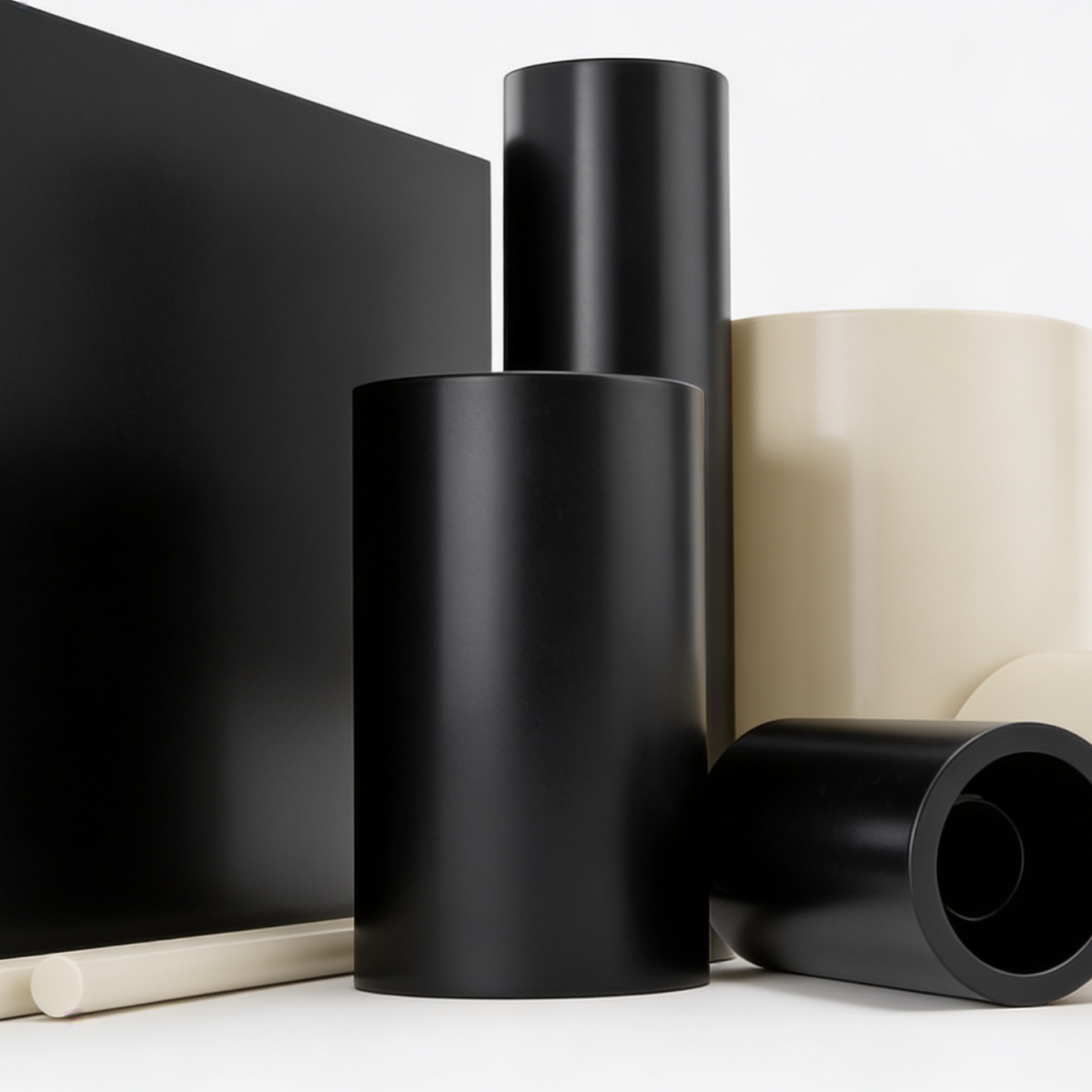
Unfilled PPS
PPS Stock Shapes Engineered for Enhanced Durability and Dimensional Stability
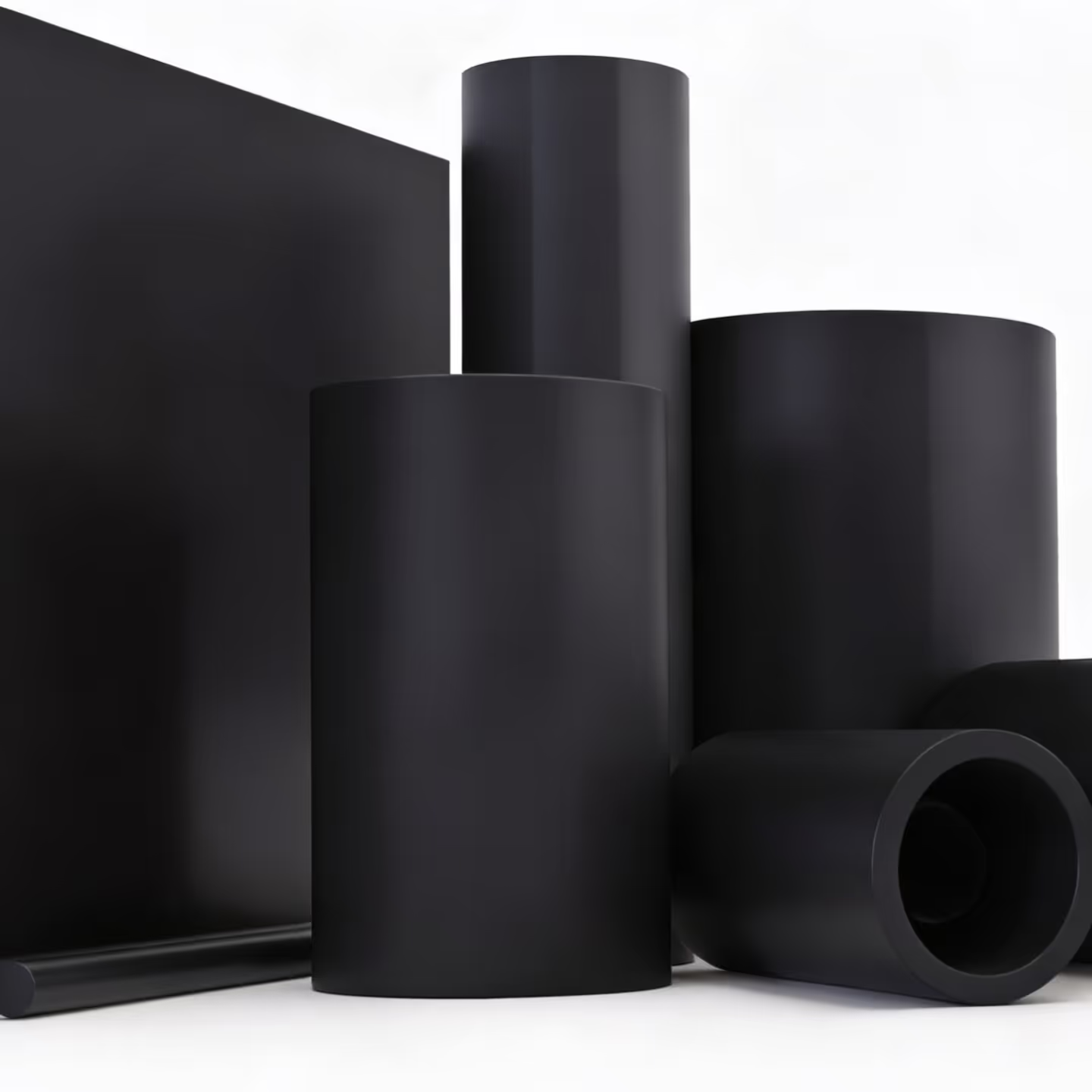
PPS GF30
30% glass fiber reinforced PPS designed for high stiffness, dimensional stability, and structural performance in demanding industrial applications where PEEK-level temperature capability is unnecessary.
PPS CF30
30% carbon fiber reinforced PPS designed for lightweight structural applications requiring rigidity, dimensional stability, and chemical resistance without the premium cost of PEEK CF30.
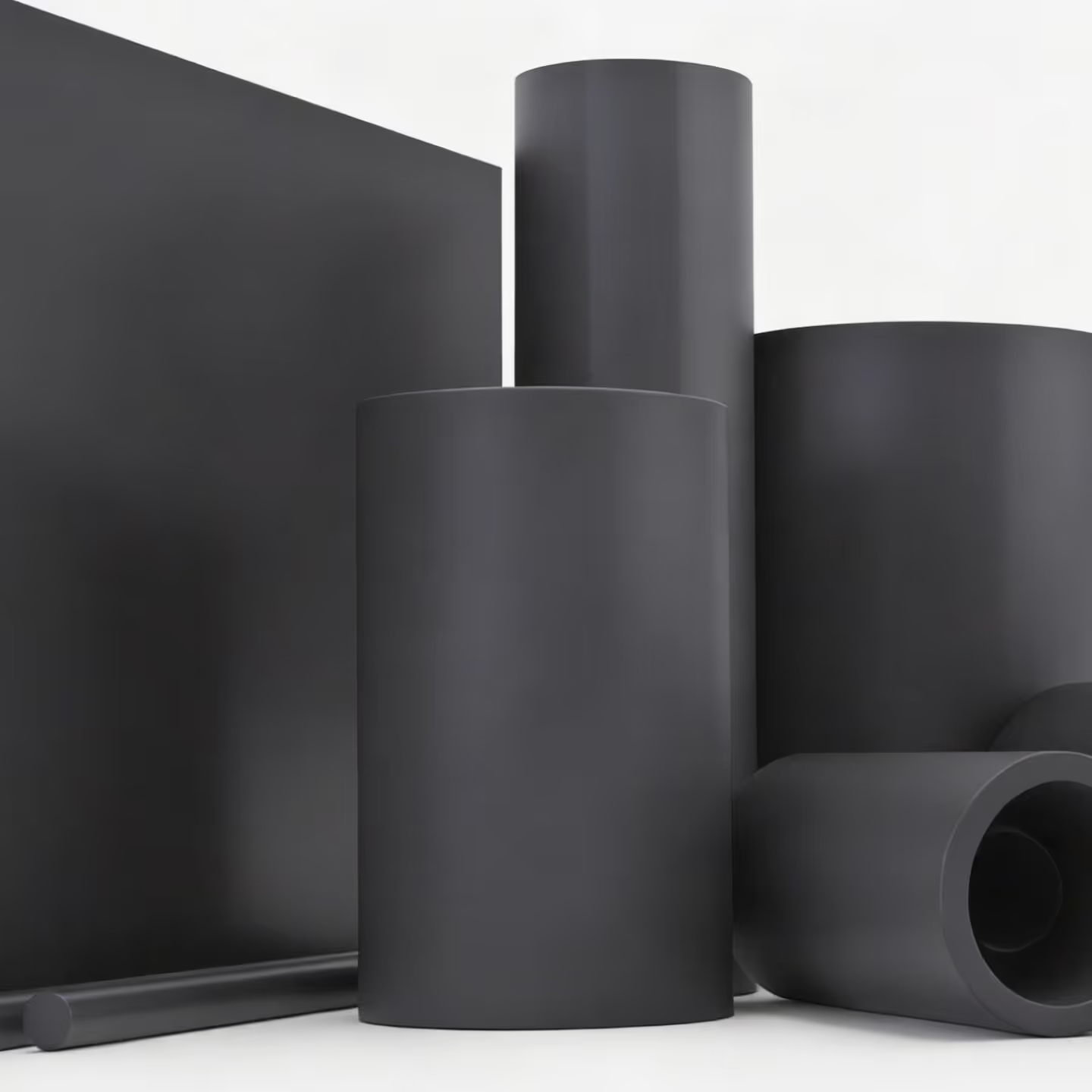
PPS Bearing Grade (10/10/10)
Internally lubricated PPS bearing grade engineered for low friction, wear resistance, and dimensional stability in demanding industrial applications where the extreme temperature capability of PEEK is not required.
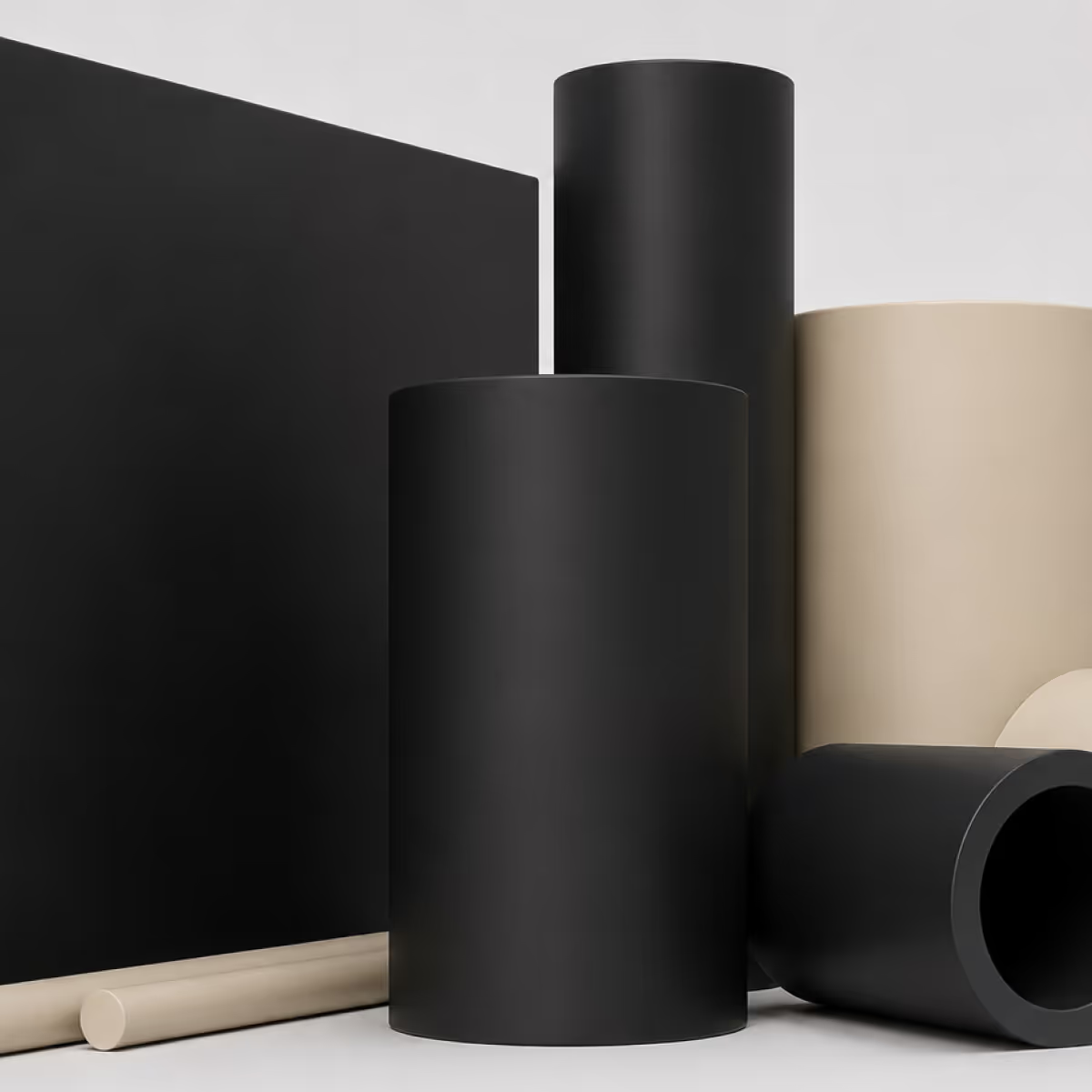
PPS GF40
PPS GF40 Stock Shapes Engineered for Maximum Stiffness and Dimensional Stability
PPS performance at a glance
General performance characteristics for PPS. Exact values vary by grade. Refer to individual grade pages for detailed specifications.

| Property | Typical Performance | Notes |
|---|---|---|
| Continuous service temperature | High | Suitable for long-term use in elevated temperature environments. |
| Tensile strength | Moderate to High | Supports machined components with structural requirements. |
| Chemical resistance | Excellent | Resists acids, bases, solvents, and hydrocarbons commonly found in industrial environments. |
| Creep resistance | Good | Maintains dimensional integrity under sustained mechanical load. |
| Moisture absorption | Very Low | Stable in humid or wet environments with minimal dimensional change. |
| Dimensional stability | High | Low moisture uptake and thermal stability help maintain tight tolerances. |
Exact performance values vary by grade.
Refer to the grade data sheets for detailed specifications.
Interact with Claudia to match your project needs with the perfect material solution. From tailored recommendations to in-depth product specs, Claudia provides the data-driven expert guidance you need to move from design to production.

PPS rods, plates, and tubular bars are available
Standard sizes supplied as extruded PPS rods, plates, and tubular bars. All PPS stock shapes are produced under controlled conditions to support consistent machining and dimensional stability.
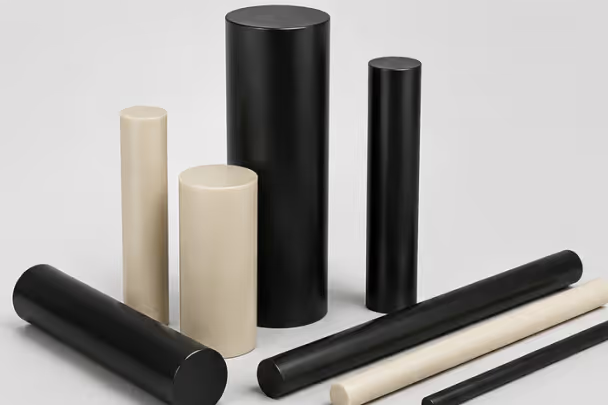
Rods
Extruded PPS rods supplied in a range of diameters suitable for precision machining, chemical processing components, electrical parts, and structural applications.
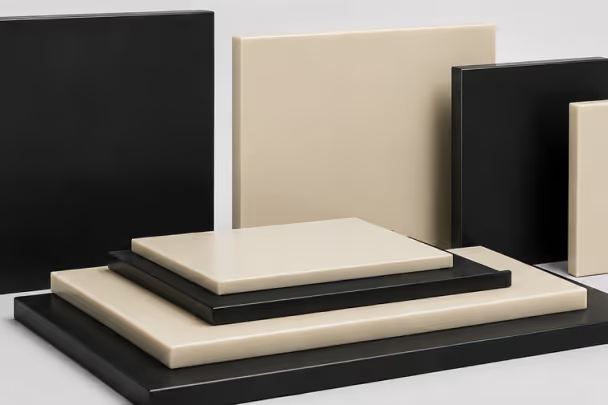
Plates
PPS plates available in standard thicknesses for machined components such as housings, brackets, valve parts, and insulating panels.
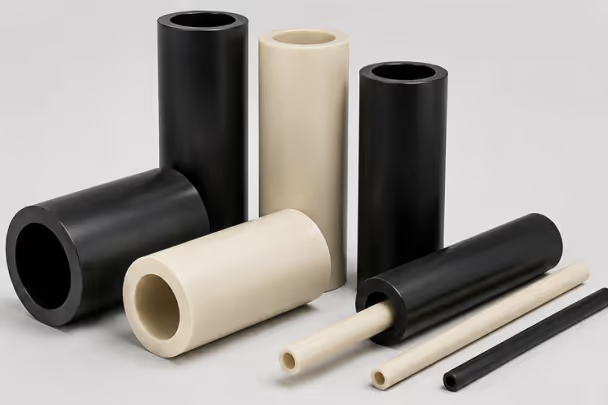
Tubular Bars
PPS tubular bars supplied for applications requiring weight reduction, material efficiency, and stable machining of hollow components.
Trusted by World's Leading Companies


















Need help selecting the right PPS grade?
Share your application details and our team will recommend suitable grades, shapes, and supporting data sheets.
Frequently Asked Questions
PPS, or Polyphenylene Sulfide, is a high-performance thermoplastic known for chemical resistance, dimensional stability, and reliable performance at elevated temperatures. It is commonly used for machined components in chemical processing, electrical, automotive, and industrial applications.
Unfilled and Toughness Enhanced PPS. GF40, GF30, CF30 and Bearing Grade PPS
Yes. PPS stock shapes are well suited for machining and can produce precise components when proper tooling and machining practices are used. Its dimensional stability helps maintain tight tolerances during and after machining.
Quantum AEP supplies PPS as extruded rods, plates, and tubular bars. These formats support a wide range of machined component designs, including hollow parts where weight reduction is required.
PPS offers excellent resistance to acids, bases, solvents, and hydrocarbons. This makes it suitable for long-term use in chemical processing and fluid handling applications where material degradation is a concern.
PPS has very low moisture absorption, which helps components retain dimensional accuracy and mechanical performance in humid or wet environments.
If your application operates below 428°F, PPS is the smarter choice. It offers exceptional chemical resistance, extremely low moisture absorption, outstanding dimensional stability, and, with Quantum AEP's PPS formulations, enhanced toughness at a significantly lower cost than PEEK.